
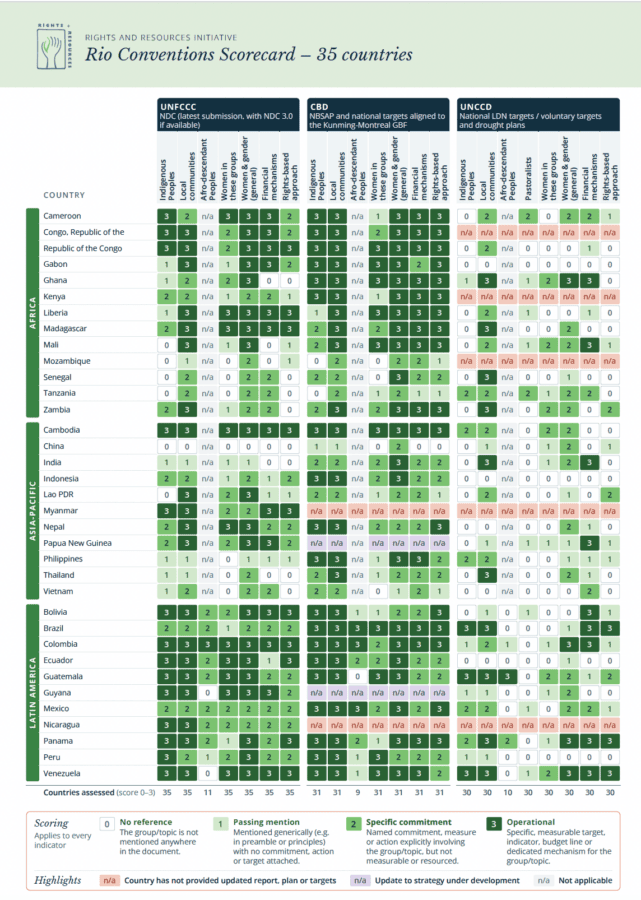
The Rio Conventions Scorecard assesses how 35 countries across Africa, Asia, and Latin America incorporate the rights of Indigenous Peoples, local communities, Afro-descendant Peoples, pastoralists, and community women into national climate, biodiversity, and desertification plans, highlighting progress, gaps, and opportunities to strengthen government commitments and accountability.
This document summarizes the key findings of a forthcoming report examining the tension between community territorial rights and investor protection in the energy transition, drawing on transition-mineral projects. It concludes with recommendations for Parties negotiating the mechanism at COP31, national governments, states and their treaty partners, and finance institutions and importing markets, and rightsholder organizations.
Until now, there has been no common global evidence base to assess and compare these broader conditions. Developed by the Rights and Resources Initiative (RRI), the University of Notre Dame’s Keough School of Global Affairs, and a global rightsholder steering committee, this baseline addresses this gap by examining five interconnected conditions that make collective livelihoods possible.
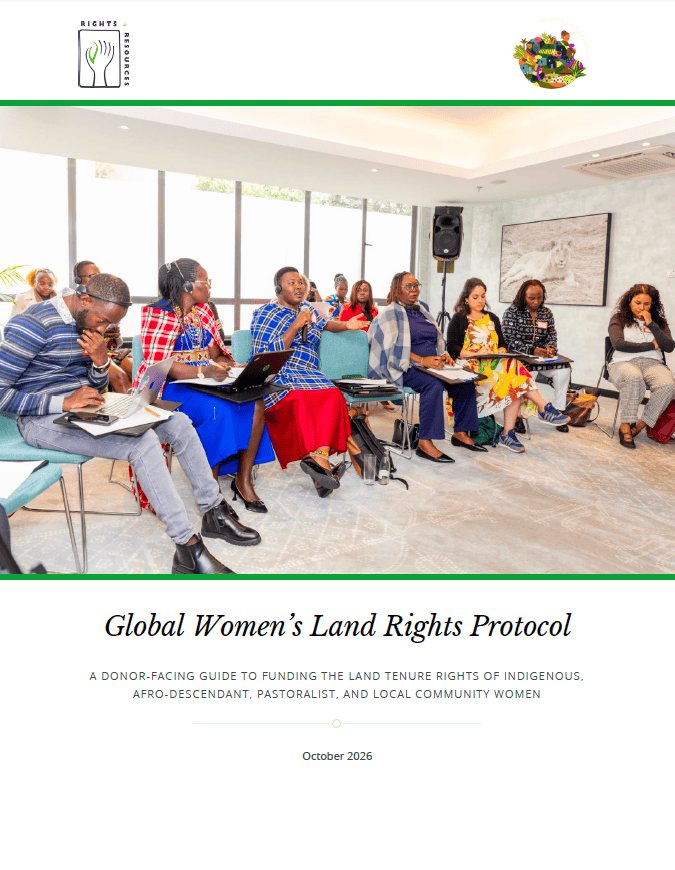
The Global Women’s Land Rights Protocol (WLRP) is a practical guide for donors and funders supporting women’s land tenure rights, particularly those of Indigenous, Afro-descendant, pastoralist, and local community women, who have been historically excluded as land rightsholders.
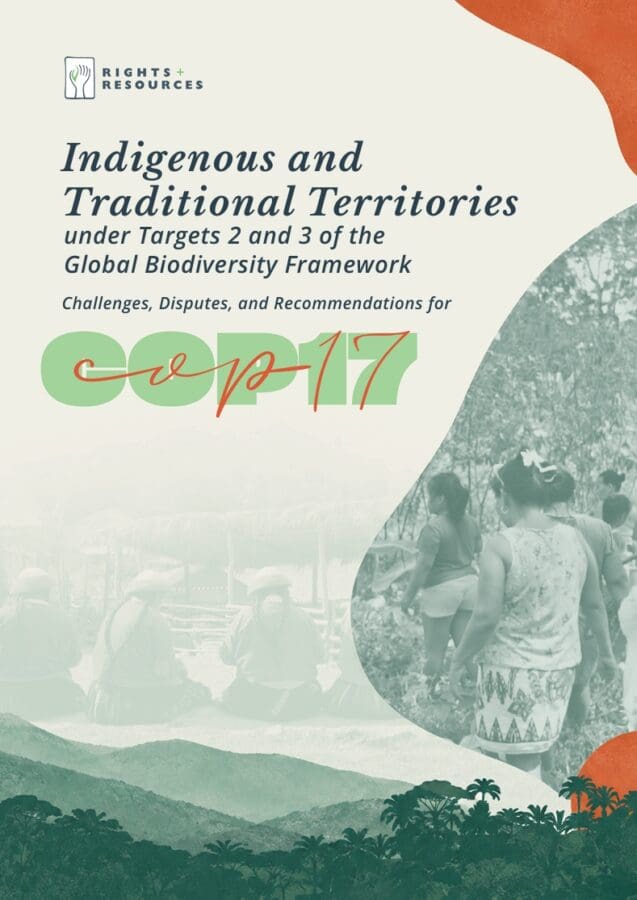
This report forms part of the collective work of RRI members in Latin America to strengthen rights-based conservation and advocacy leading up to the 17th meeting of the Conference of the Parties (COP17) to the Convention on Biological Diversity (CBD), prioritizing negotiations on the Guidelines for Implementing Targets 2 and 3 of the Global Biodiversity Framework, within the context of Task 1.1 of the Programme of Work through 2030 on Article 8(j).
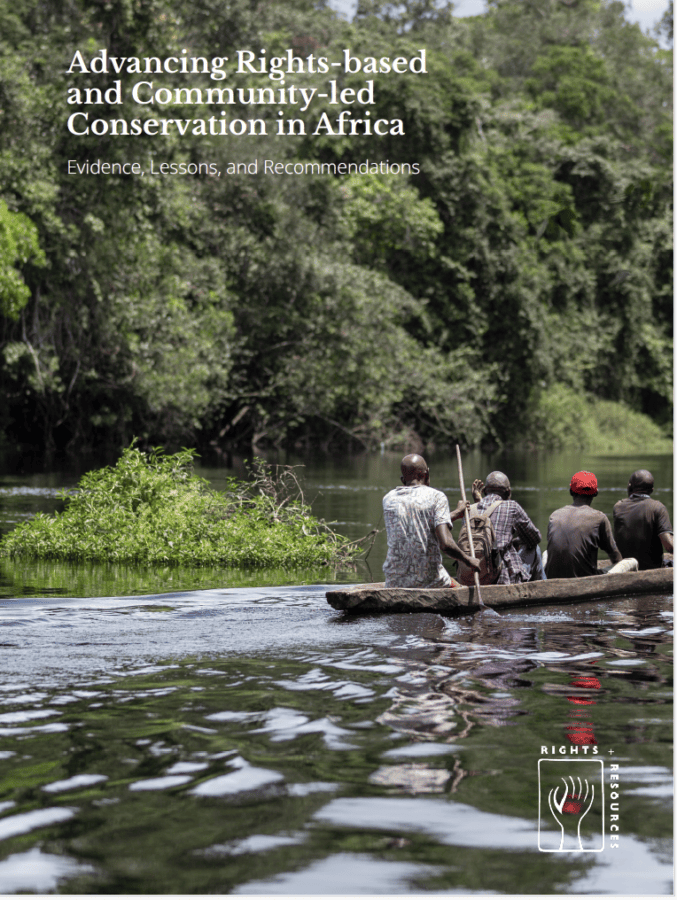
This analysis looks at the rich and diverse experiences of community conservation in Africa, particularly in context of the Kunming-Montreal Global Biodiversity Framework which marks a turning point in international biodiversity policy with its recognition of the contributions of Indigenous and local communities to global conservation. It assesses experiences with community conservation in Africa to better understand its scale and significance and distill lessons on key elements for success.