
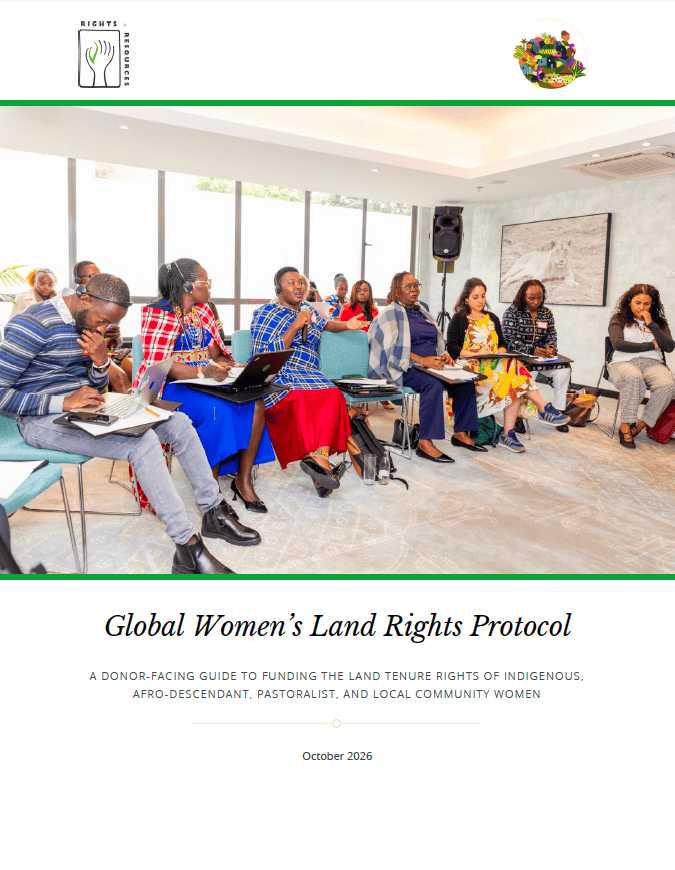
The Global Women’s Land Rights Protocol (WLRP) is a practical guide for donors and funders supporting women’s land tenure rights, particularly those of Indigenous, Afro-descendant, pastoralist, and local community women, who have been historically excluded as land rightsholders.
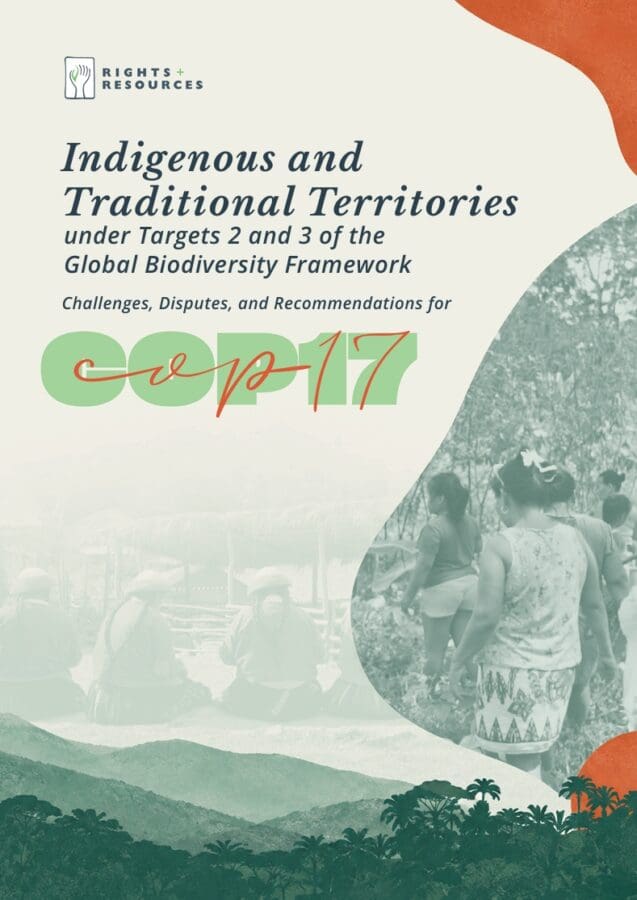
This report forms part of the collective work of RRI members in Latin America to strengthen rights-based conservation and advocacy leading up to the 17th meeting of the Conference of the Parties (COP17) to the Convention on Biological Diversity (CBD), prioritizing negotiations on the Guidelines for Implementing Targets 2 and 3 of the Global Biodiversity Framework, within the context of Task 1.1 of the Programme of Work through 2030 on Article 8(j).
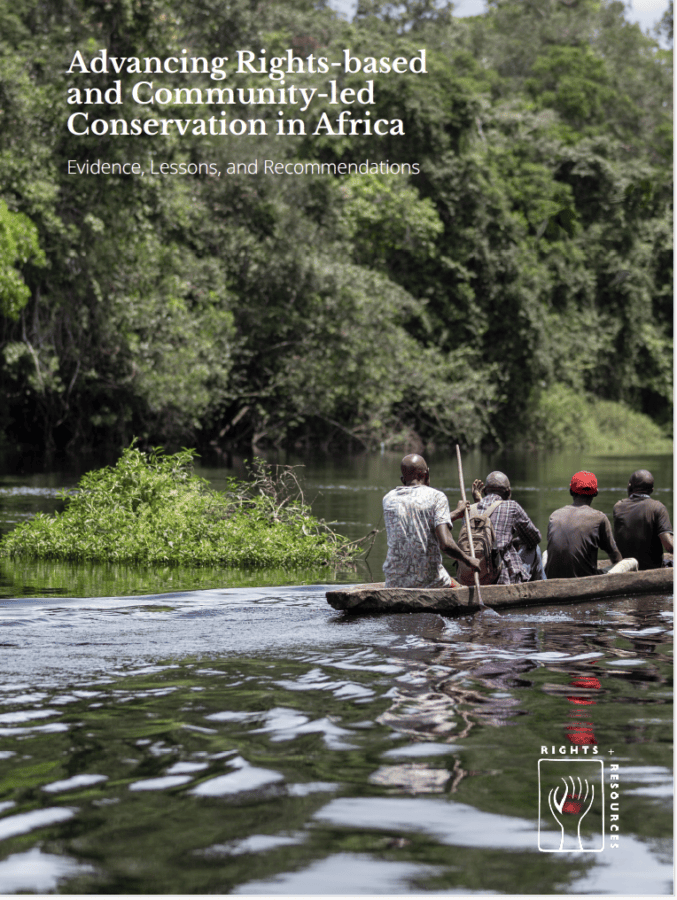
This analysis looks at the rich and diverse experiences of community conservation in Africa, particularly in context of the Kunming-Montreal Global Biodiversity Framework which marks a turning point in international biodiversity policy with its recognition of the contributions of Indigenous and local communities to global conservation. It assesses experiences with community conservation in Africa to better understand its scale and significance and distill lessons on key elements for success.
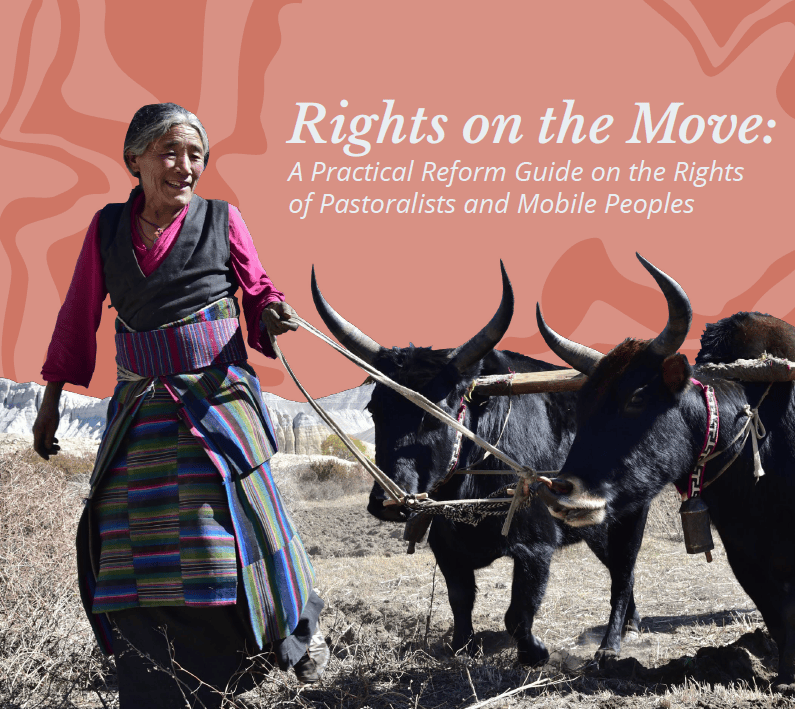
This guide is a tool to advance legal, policy, and implementation reforms. Where Moving Rights Forward focused on mobility and access alone, this guide reviews the minimum set of rights that must be legally recognized for pastoralism and mobile livelihoods to be secure, including the specific rights of women within these systems.
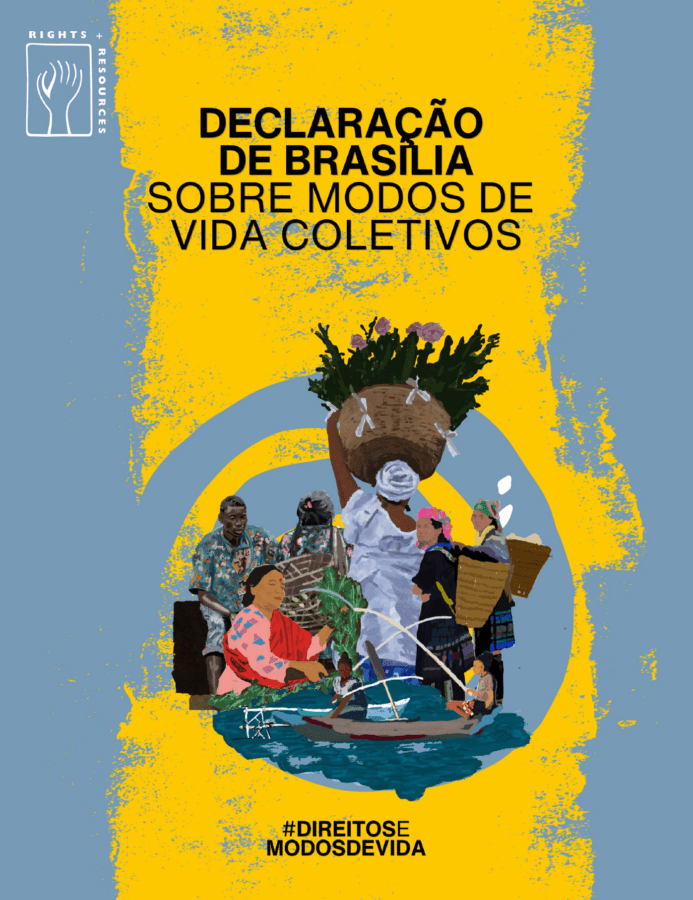
Representantes de Povos Indígenas, Povos Afrodescendentes, comunidades locais e tradicionais, organizações e redes associadas, bem como aliados, elaboraram esta Declaração para afirmar a necessidade urgente de transformar os atuais modelos de desenvolvimento, conservação e financiamento, reconhecendo os modos de vida coletivos e as economias comunitárias como pilares centrais para enfrentar as crises climáticas, ecológicas e sociais.
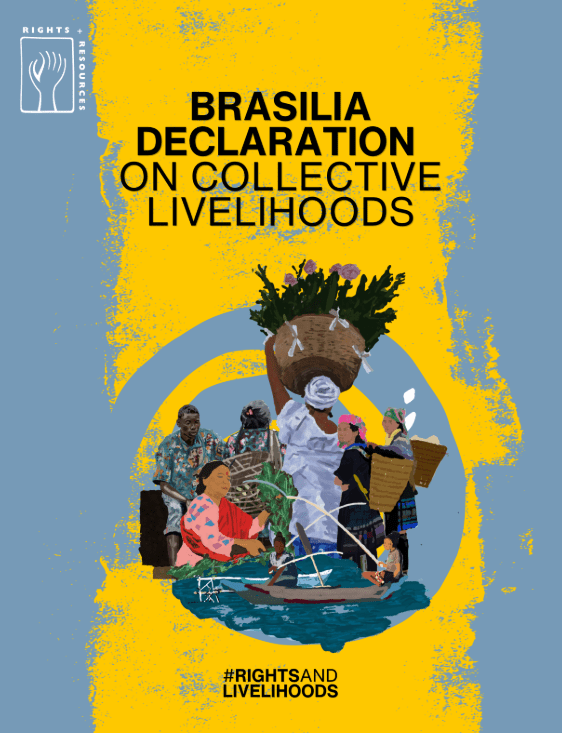
Representatives of Indigenous Peoples, Afro-descendant Peoples, Local and Traditional Communities, associated organizations and networks, and supporting allies created this declaration to affirm the urgent need to transform current development, conservation, and financing models, recognizing collective livelihoods and community economies as central pillars for addressing the climate, ecological, and social crises.