
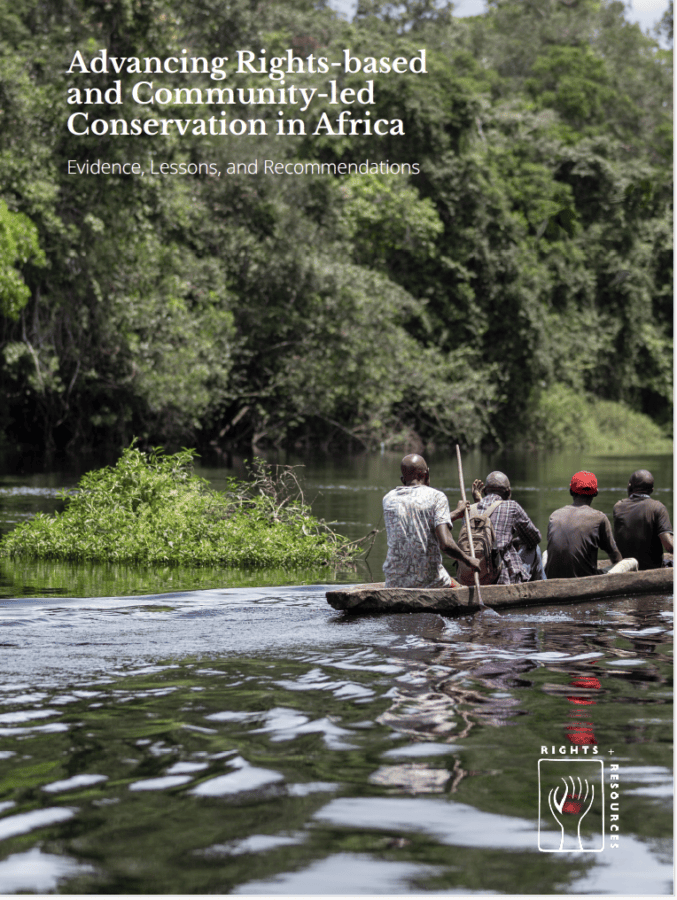
This analysis looks at the rich and diverse experiences of community conservation in Africa, particularly in context of the Kunming-Montreal Global Biodiversity Framework which marks a turning point in international biodiversity policy with its recognition of the contributions of Indigenous and local communities to global conservation. It assesses experiences with community conservation in Africa to better understand its scale and significance and distill lessons on key elements for success.
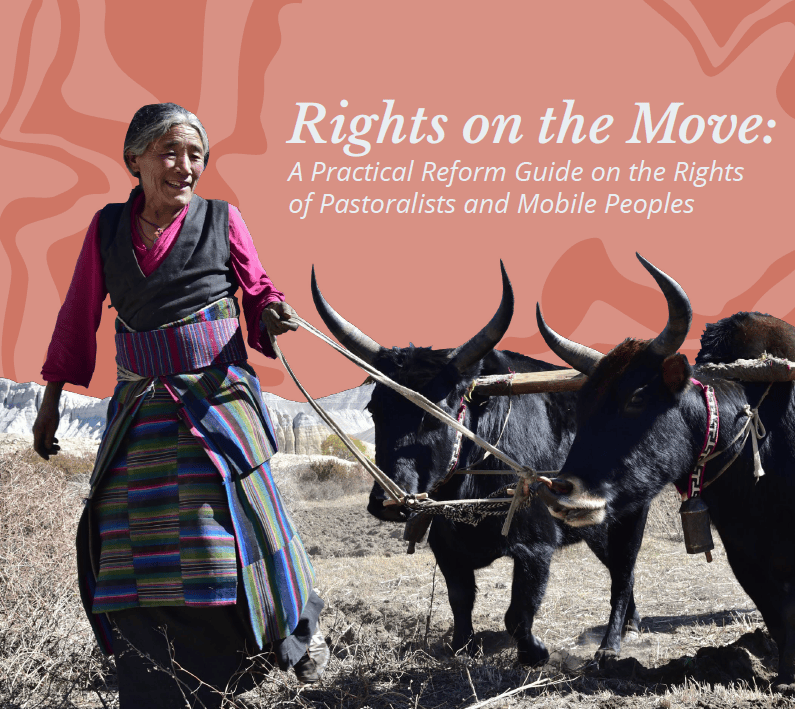
This guide is a tool to advance legal, policy, and implementation reforms. Where Moving Rights Forward focused on mobility and access alone, this guide reviews the minimum set of rights that must be legally recognized for pastoralism and mobile livelihoods to be secure, including the specific rights of women within these systems.
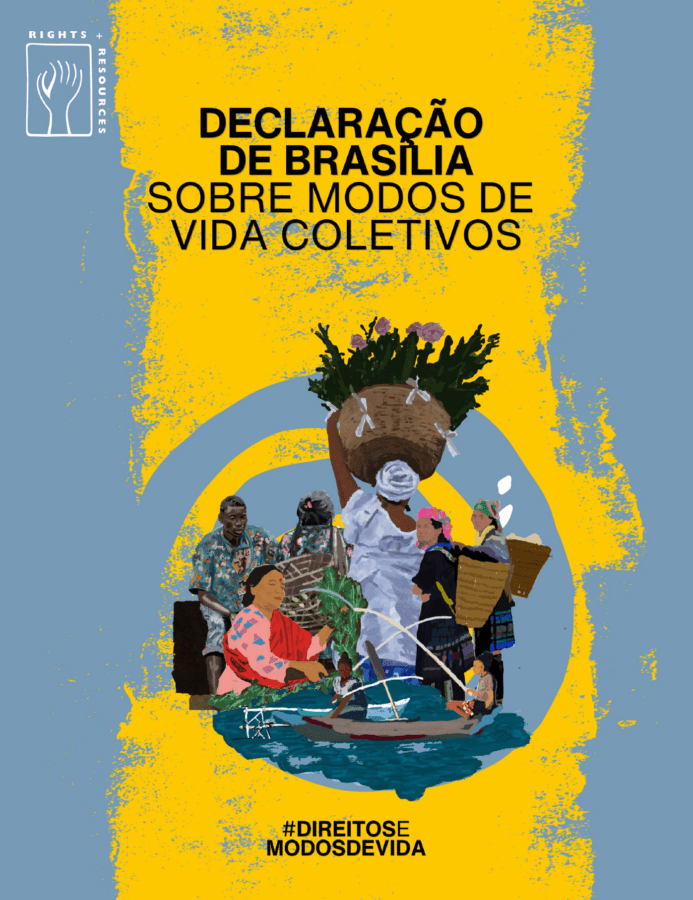
Representantes de Povos Indígenas, Povos Afrodescendentes, comunidades locais e tradicionais, organizações e redes associadas, bem como aliados, elaboraram esta Declaração para afirmar a necessidade urgente de transformar os atuais modelos de desenvolvimento, conservação e financiamento, reconhecendo os modos de vida coletivos e as economias comunitárias como pilares centrais para enfrentar as crises climáticas, ecológicas e sociais.
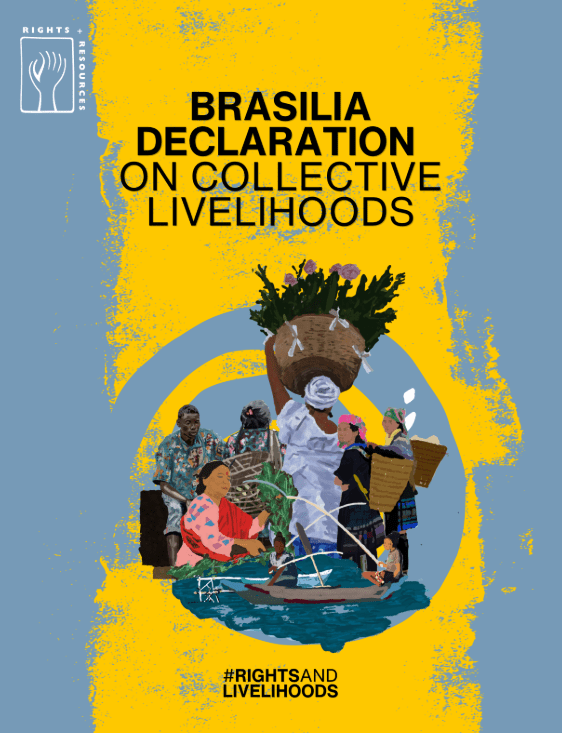
Representatives of Indigenous Peoples, Afro-descendant Peoples, Local and Traditional Communities, associated organizations and networks, and supporting allies created this declaration to affirm the urgent need to transform current development, conservation, and financing models, recognizing collective livelihoods and community economies as central pillars for addressing the climate, ecological, and social crises.
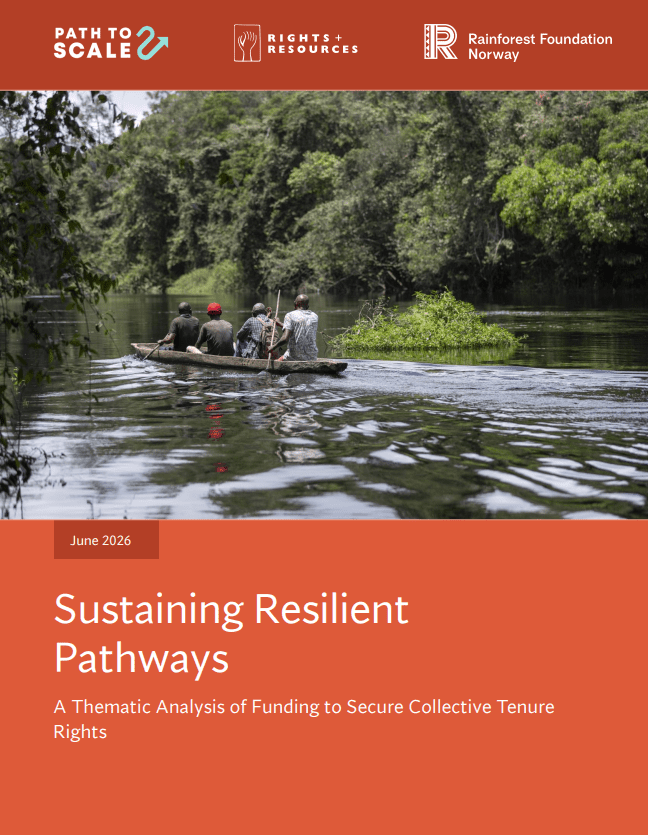
Sustaining Resilient Pathways is the first thematic analysis of how international funding supports the interconnected dimensions of tenure security. Drawing on data from the Path to Scale Funding Dashboard, the brief examines not only how much funding is being mobilized, but how it is distributed across five thematic areas: territorial recognition, implementation of existing rights, policy reform, livelihoods, and organizational strengthening.
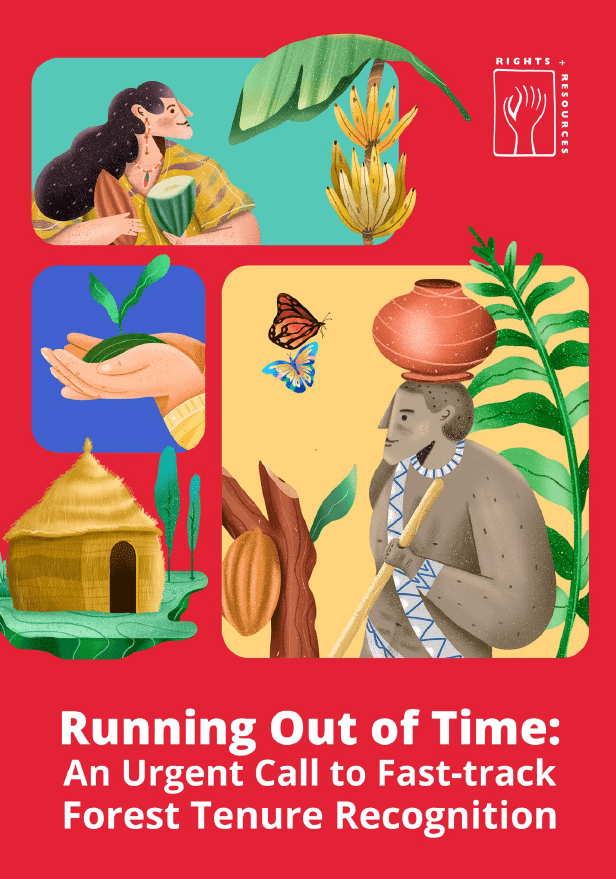
A new analysis by RRI finds Indigenous Peoples, Afro-descendant Peoples, and local communities have recognized rights to just 16% of forests. This is despite mounting evidence that secure tenure is vital to achieving global climate and biodiversity commitments and to sustaining the livelihoods, cultures, and self-determined economies of communities that have stewarded these forests for generations.