

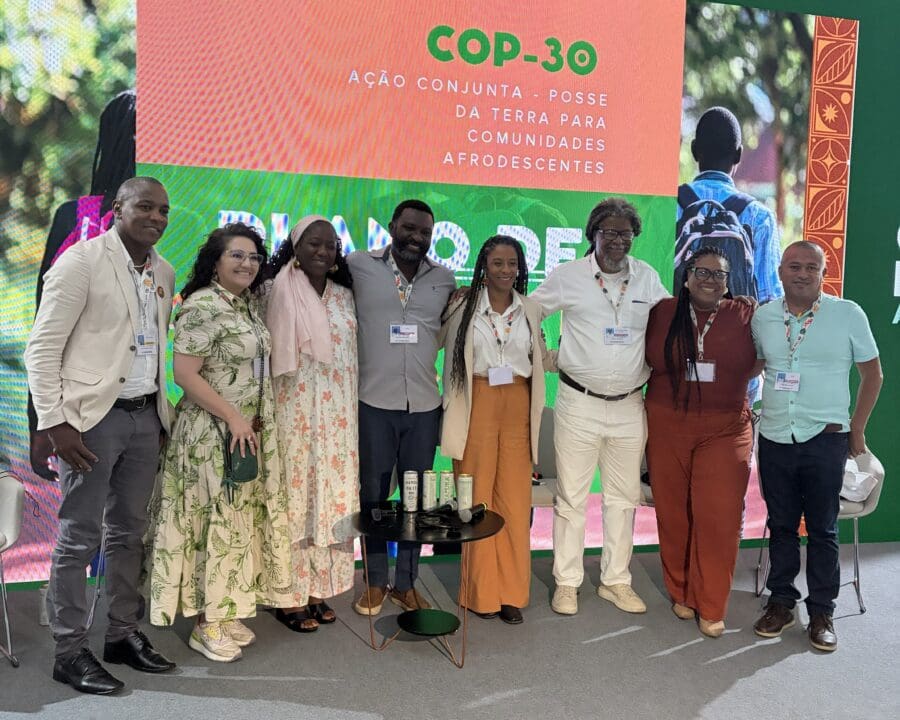
Afro-descendant Peoples are not simply communities living in the forest; they are among the most effective forest guardians on the planet. Yet their territories in Latin America and the Caribbean remain almost entirely excluded from climate finance. The Plan to Accelerate Solutions (PAS) has set out to change this.

RECENT ARTICLES
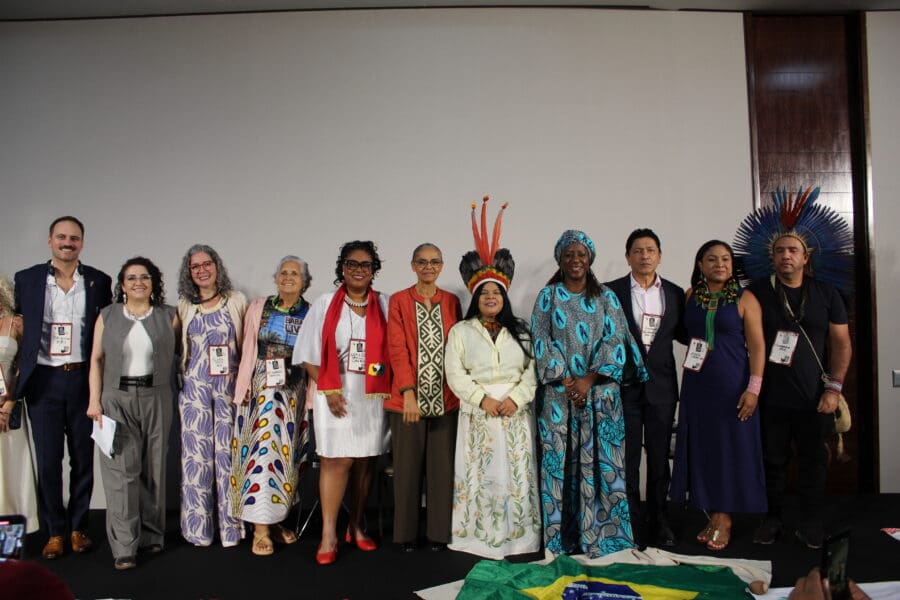
Traditional Peoples Advocate for Collective Livelihoods as a Response to the Climate and Biodiversity Crises at Global Summit
The defense of territories, ancestral knowledge, and community-based economies was a central theme at the Global Summit on Collective Livelihoods & Conservation, held in Brasília, Brazil, in May 2026, and organized by RRI, APIB, COIAB, CONAQ, MIQCB, and MIR.

In Memoriam: Hans M. Gregersen (1938–2026)
From the bottom of our heart: our gratitude and condolences to Hans’ family and his many friends around the world; and thank you, again, Hans Gregersen. Upward and onward!

How Kichwa Women in Ecuador Saved an Ancient Amazonian Tradition
The Kichwa People of Pastaza in the Ecuadorian Amazon have lived and thrived in the forest for centuries, but as society changes and newer generations disengage from the culture, it has become difficult to maintain and pass down their traditions. That is why, in 2022, a group of Kichwa women ceramicists founded the artisan collective called Sinchi Muskuyuk Warmi.
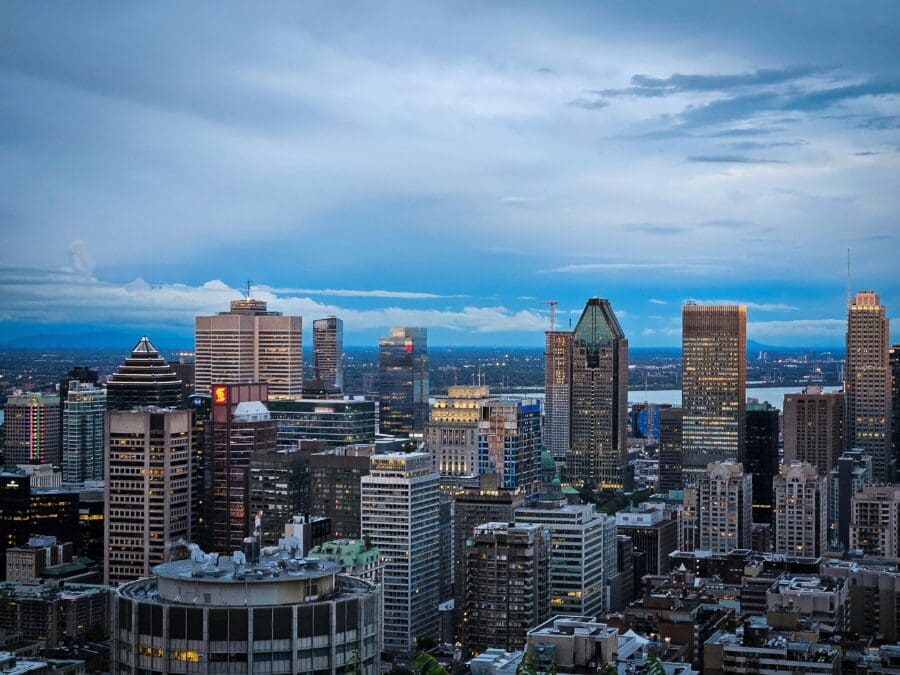
Press Release: RRI Strengthens its Presence in Canada
RRI—the world’s largest coalition for the Rights of Indigenous Peoples, local communities and Afro-descendant Peoples—is strengthening its presence in Canada
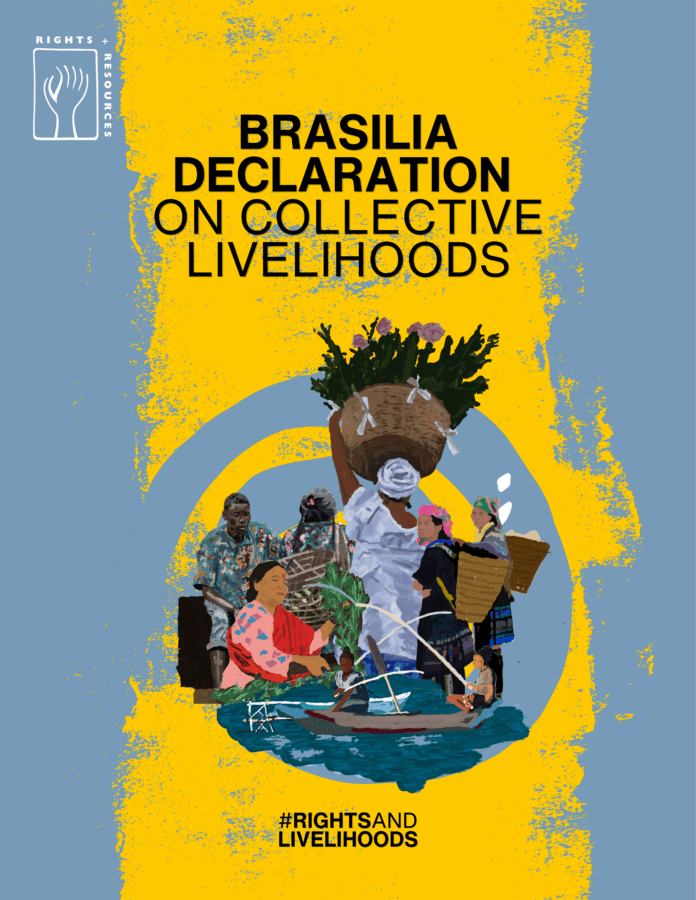
Press Release: Indigenous, Afro-descendant, and Local Peoples Demand Integration of their Collective Economies into National Policies and Global Climate Action
The Brasília Declaration calls for reforms to finance, markets, governance, and climate policy to support communities’ livelihoods.
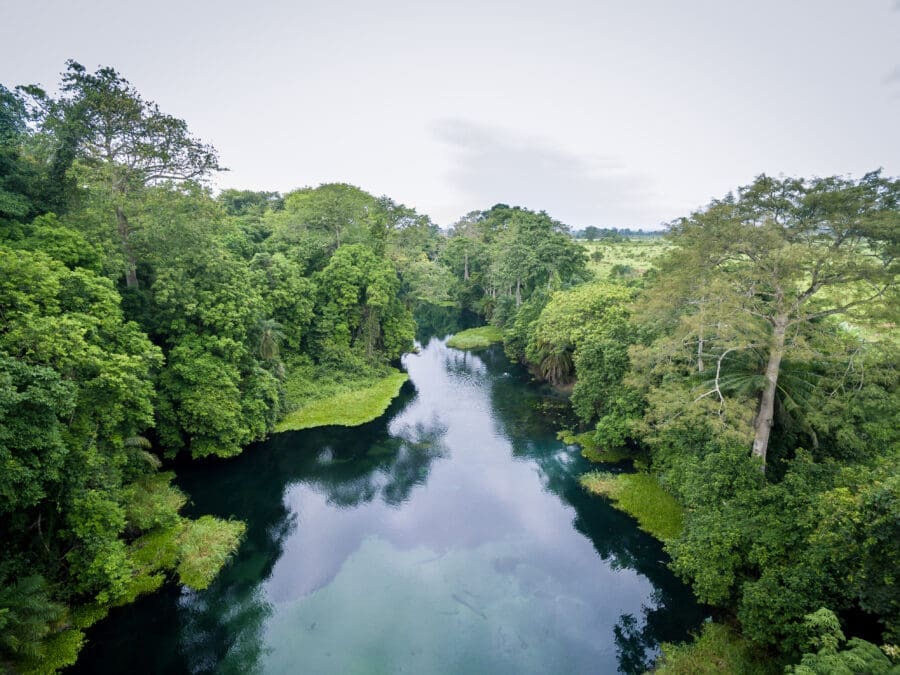
Press Release: New Analysis Finds World is Running Out of Time to Recognize Community Forest Rights Before 2030
A new analysis by RRI finds Indigenous Peoples, Afro-descendant Peoples, and local communities have recognized rights to just 16 percent of forests across 61 countries. This is despite mounting evidence that secure tenure is vital to achieving global climate and biodiversity commitments and to sustaining the livelihoods of communities that have stewarded these forests for generations.
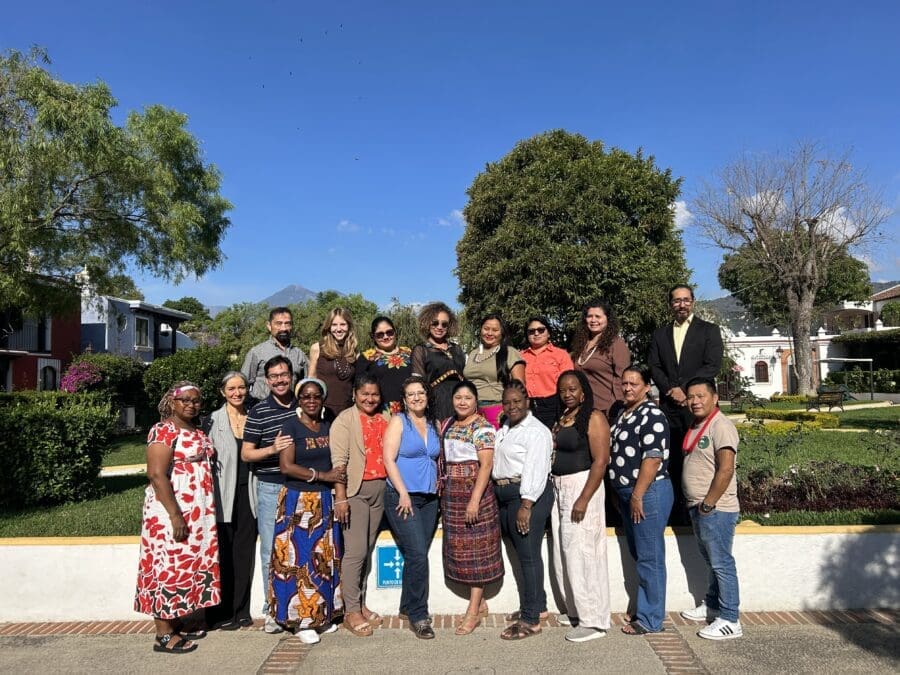
Women from 9 Countries in Latin America Strengthen the Women in Self-Sustaining Economies Network
In Guatemala, on April 21 and 22, 2026, 13 women leaders from 9* Latin American countries gathered to coordinate common agendas, strengthen alliances, and define strategic actions to boost their participation in the Rights and Resources Initiative’s Coalition in the region.
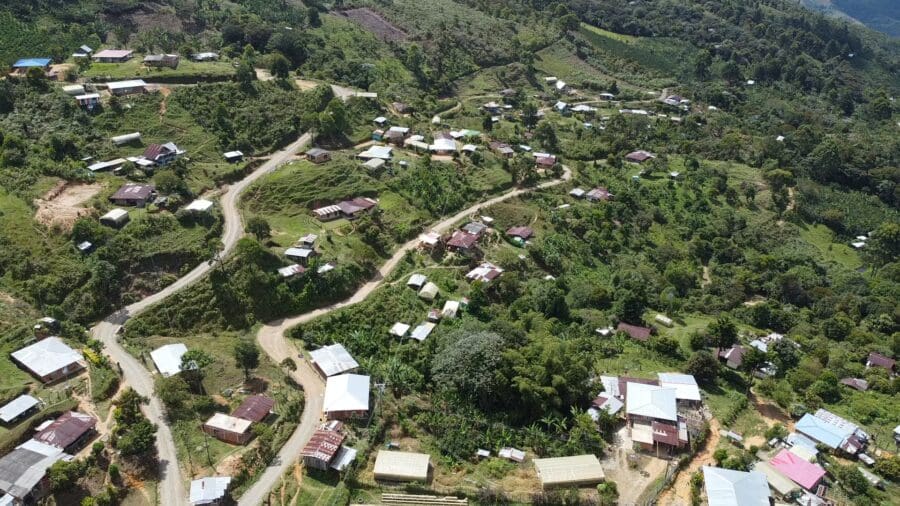
When Communities Lead: Lessons Learned from the Tropical Andes Grant
From 2022 to 2025, Rights and Resources Initiative, the Global Alliance of Territorial Communities, and Campaign for Nature funded 76 distinct projects at local, national, and regional levels in Colombia, Ecuador, Peru, and Bolivia, thanks to the generosity of the Bezos Earth Fund.

Indigenous and Local Communities’ Rights Coalitions Drive Bold 2030 Vision for the Congo Basin
More than four years of collaboration is entering a new phase as REPALEAC—the Central African Network for Indigenous and Local Peoples for the Sustainable Management of Forest Ecosystems—expands its partnership with the Rights and Resources Initiative and its rightsholder-led funding mechanism, the Community Land Rights and Conservation Finance Initiative (CLARIFI), across the Congo Basin.

“Give Her the Field”: How Custom is Securing Women’s Land in Cameroon
In Sèppè, a small coastal village in Cameroon, change is quietly, but powerfully, taking root. For generations, women here have been the pillars of their families and communities, working and cultivating land that they have not historically had the benefit of owning. Thanks to the work of a powerful network of women, the tide is now turning.

Collective Protection as a Strategy to Safeguard Human Rights Defenders: ACADESAN’s Work in Colombia’s Pacific Region
Environmental defenders are on the frontlines of safeguarding biodiversity, addressing climate change, and protecting human rights. The concept of collective protection has emerged as a critical framework in the defense of defenders who often act in unison to protect their communities and draw support from them. Collective protection emphasizes the need to protect not only individual defenders but also the broader community structures that support and sustain their work.
The Most Read Stories
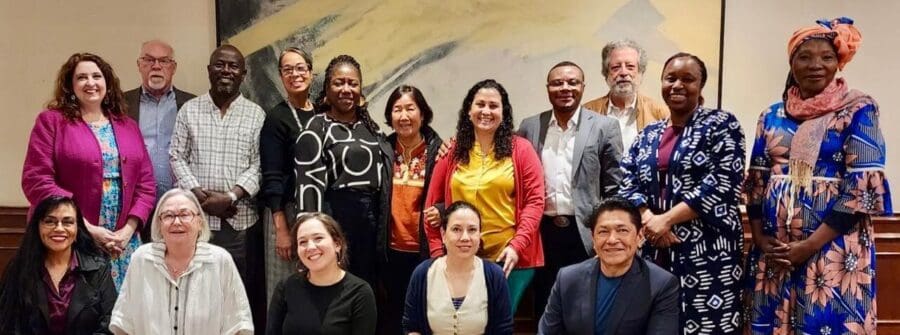
Subscribe to the Gender Justice Digest
to receive new articles directly in your inbox
Subscribe Now!